
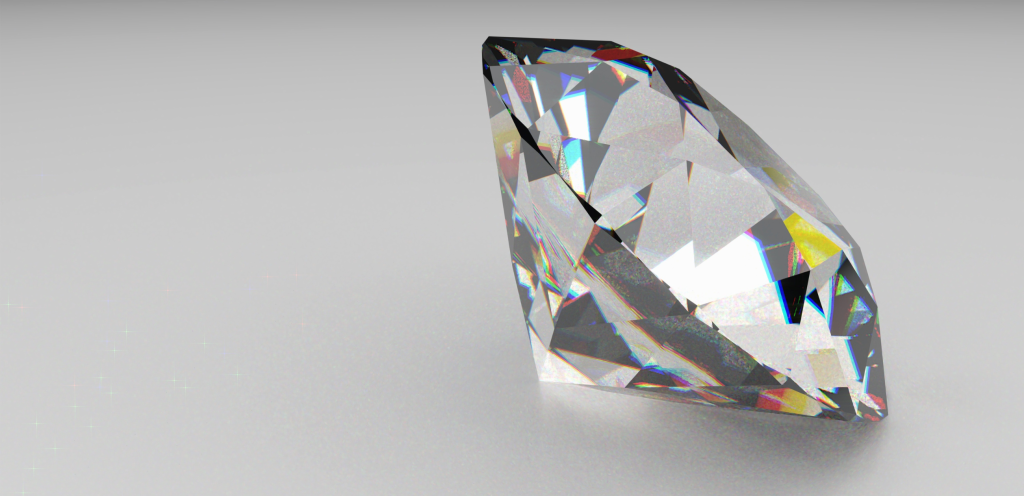
Lab-grown diamonds have rapidly gained attention as a modern alternative to mined stones. Visually identical and often more affordable, they raise an important question for today’s buyers: do lab-grown diamonds truly match the value, meaning, and appeal of natural diamonds, or is some of the magic lost along the way?
What Are Lab-Grown Diamonds?
Lab-grown diamonds are created in controlled environments that replicate the natural conditions under which diamonds form in the earth. Chemically, physically, and visually, they are diamonds in every sense — so much so that specialised equipment is required to distinguish them from natural stones.
This technological achievement has positioned lab-grown diamonds as a strong contender in the fine jewellery world.
Ethics Over Extraction
One of the strongest arguments in favour of lab-grown diamonds is ethics. They are often seen as a guilt-free alternative to diamonds historically associated with conflict.
That said, the natural diamond industry has made significant progress. The Kimberley Process, established in 2003, was designed to prevent the trade of conflict diamonds by increasing transparency and oversight across the supply chain. When purchasing a natural diamond, it is always worth asking whether your supplier adheres to this process, as it offers important reassurance and accountability.
The Environmental Equation
Lab-grown diamonds are frequently marketed as a more sustainable option. Traditional diamond mining can be resource-intensive and environmentally disruptive, while lab-grown diamonds avoid excavation altogether.
However, the picture is more nuanced. Producing lab-grown diamonds requires substantial energy, often from non-renewable sources, which complicates their environmental credentials. Sustainability depends heavily on how and where these diamonds are produced.
Cost and Accessibility
From a pricing perspective, lab-grown diamonds are undeniably appealing. They are generally far more affordable than natural diamonds, making diamond jewellery accessible to a wider audience.
Many argue that natural diamonds are priced to reinforce perceptions of rarity, while lab-grown diamonds offer strong visual impact at a lower cost. For buyers focused on size, clarity, and budget, lab-grown diamonds often represent excellent value for money.
Visual Appeal and Practical Considerations
The Visual Virtues
Lab-grown diamonds mirror the brilliance, fire, and hardness of natural diamonds. To the naked eye, there is no difference — a major advantage for those who prioritise appearance.
The Emotional Shortcomings
Despite their beauty, lab-grown diamonds lack the geological history that defines natural stones. For many people, the idea that a diamond formed over millions of years beneath the earth adds emotional depth that technology cannot replicate.
Cultural and Emotional Significance
Diamonds are not just decorative objects; they are symbols of love, commitment, and legacy. Natural diamonds carry a story of time, rarity, and connection to the earth. This narrative plays a powerful role, especially in engagement rings and heirloom jewellery.
For some, lab-grown diamonds feel too modern, too manufactured — missing the mystique that has defined diamonds for centuries.
Lab-Grown Diamonds or Natural Diamonds: Which Should You Choose?
The choice between lab-grown diamonds and natural diamonds is deeply personal. It depends on what matters most to you:
- Ethical considerations
- Environmental impact
- Budget and value
- Emotional meaning and symbolism
As jewellery buyers become more conscious and informed, this debate will continue to challenge traditional ideas of luxury and worth.
At a bespoke jewellery design studio, these conversations are central to helping clients choose stones that align with both their values and their stories. Whether you explore lab-grown diamonds or prefer natural gems, the most important factor is meaning.
Frequently Asked Questions about lab-grown diamonds
Are lab-grown diamonds real diamonds?
Yes. Lab-grown diamonds are chemically and physically identical to natural diamonds.
Can you tell the difference between lab-grown and natural diamonds?
Not without specialised equipment. To the naked eye, they look the same.
Are lab-grown diamonds more ethical?
They avoid mining, but energy use varies by producer. Ethical impact depends on sourcing and production methods.
Do lab-grown diamonds hold their value?
They generally depreciate more than natural diamonds, which tend to retain value better over time.
Are lab-grown diamonds suitable for engagement rings?
Yes. They are durable and visually identical, making them a popular choice for engagement jewellery.
Why do some people still prefer natural diamonds?
Many value the rarity, history, and emotional significance of diamonds formed naturally over millions of years.